Do You Need a Bicycle Accident Lawyer After a Minor Crash
@erickmvfh064
October 19, 2026 · 15 min read
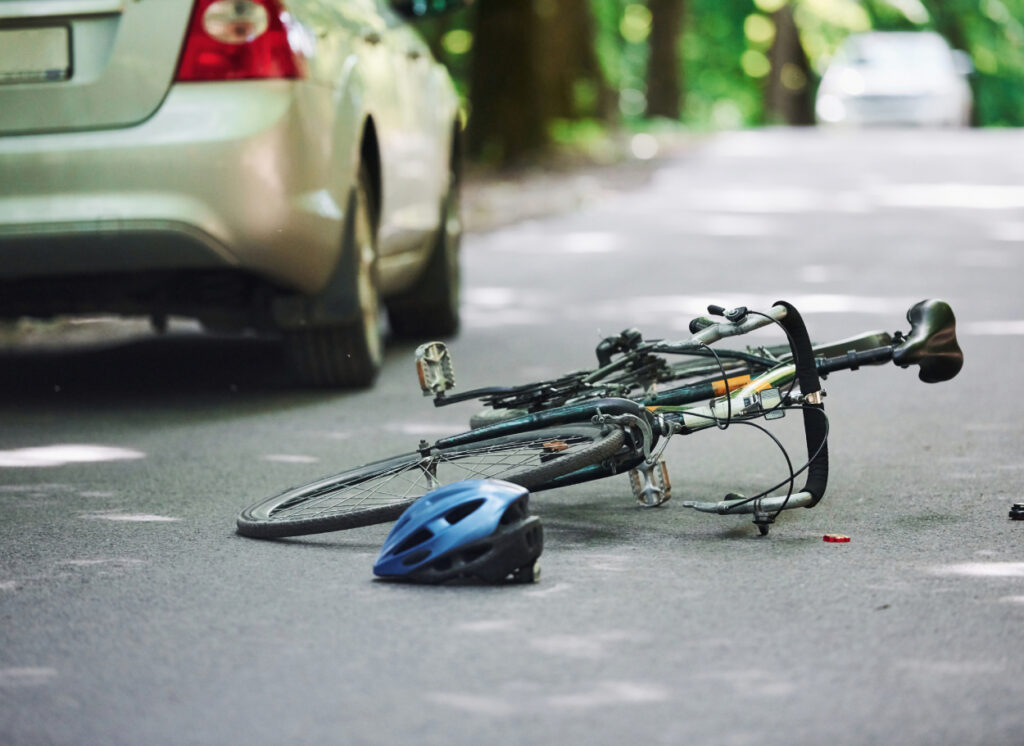

A minor bicycle crash rarely feels major in the moment. You get up, brush dirt off your leg, check whether the wheel still spins, and tell yourself you were lucky. The driver apologizes. A witness says it did not look too bad. Maybe you even ride home.
Then the next morning arrives.
Your wrist stiffens. Your shoulder starts to burn when you lift a coffee mug. The bike shop tells you the fork may be bent and the repair estimate is higher than you expected. The driver’s insurer calls and sounds friendly, but the adjuster also wants a recorded statement right away. What felt small at the curb starts to look more complicated.
That is usually the point when people ask whether they really need a Bicycle Accident Lawyer after a minor crash. The honest answer is not always yes, and it should not be. Not every bike accident requires https://www.google.com/maps?cid=12754349830689844018 legal representation. Some claims are straightforward, some damages are modest, and some cases can be resolved without hiring counsel. But “minor” is a misleading word in bicycle cases. It often describes the scene, not the consequences.
The better question is this: does the crash involve enough uncertainty, enough injury, enough financial loss, or enough insurance friction that professional help would protect you from getting shortchanged? In many cases, that answer becomes clear only after you know what to watch for.
What “minor” usually means, and why that label can fool you
People use the word minor in at least three different ways. They might mean no ambulance was called. They might mean no bones were obviously broken. They might mean the vehicles involved had little visible damage. None of those things tells you much about the legal or financial value of the case.
A cyclist can suffer a concussion without losing consciousness. A “simple” wrist sprain can interfere with work for weeks, especially if your job involves typing, lifting, tools, or driving. Road rash can turn into costly treatment if debris gets embedded in the skin. Knee injuries, shoulder strains, and lower back pain often worsen over several days. On top of that, bicycle damage is easy to underestimate. Carbon frames, wheel alignment, brake rotors, helmets, and electronic shifting components can produce repair bills that surprise people who have never replaced them.
There is also a practical problem with the word minor. Insurance companies hear it and tend to value the claim accordingly. If you describe the crash too casually before you understand your condition, you may be helping the insurer minimize a claim that deserves closer attention.
That does not mean every sore neck or scuffed bike justifies hiring a lawyer. It means you should be careful about treating the event as settled before the facts settle.
When handling the claim yourself may be reasonable
There are cases where a lawyer is not necessary. If your injuries are truly limited, your recovery is quick, the driver’s insurer accepts fault, and the property damage is easy to document, a self-managed claim can make sense. That is especially true if the only losses are a medical visit, a helmet replacement, a torn jersey, and a bike repair estimate that the carrier agrees to pay without argument.
A typical example is a low-speed dooring incident where the driver admits fault, you go to urgent care, you are diagnosed with bruising and abrasions, and you return to normal activities within a week or two. If the insurer is responsive and pays your bills, the value of legal representation may be limited.
Even then, timing matters. Many people settle too early because they want the matter off their plate. Once you sign a release, you usually cannot go back for more money if the pain lingers or new symptoms appear. A modest claim handled without a lawyer can still be handled carefully.
When a Bicycle Accident Lawyer becomes worth serious consideration
The pattern I have seen most often is this: the crash looked minor at the scene, but one or two details complicate everything afterward. Maybe liability is disputed. Maybe symptoms linger. Maybe the insurer acts polite but slow, asking for repetitive paperwork while quietly waiting for you to get tired.
A Bicycle Accident Lawyer is usually worth consulting when the case includes any real uncertainty about fault, any injury that lasts more than a short period, or any meaningful financial loss beyond a simple repair. The lawyer’s job is not just to file a lawsuit. Much of the value comes earlier, in identifying what the claim is really worth, preserving evidence, communicating with insurers, and preventing avoidable mistakes.
This matters because cycling claims are often misunderstood by people who do not ride. A driver may say you “came out of nowhere” when you were riding predictably in a bike lane. An adjuster may not understand why replacing a helmet is nonnegotiable after impact, even if it looks fine. A defense argument may focus on visibility, lane position, or comparative negligence in ways that would not arise in an ordinary rear-end crash between two cars.
The smaller the case appears, the easier it is for those nuances to get ignored.
The hidden costs that change the picture
Minor crashes tend to create scattered losses rather than one dramatic bill. That is why people underestimate them. They think in terms of a doctor visit and a tire replacement, but the actual cost spreads across several categories.
You might miss a few days of work. If you are self-employed, the loss may not show up neatly on a pay stub, but it is still real. A bike fitting may have to be redone after part replacement. A damaged helmet, glasses, cycling computer, lights, phone mount, or pannier may add several hundred dollars. If the bike was your commuting vehicle, you may spend money on rideshares, public transit, or a rental car while it is in the shop. Physical therapy can become the largest expense in a case that first looked routine.
There is also the problem of reduced function. A shoulder strain may not justify surgery, but it can make commuting, carrying groceries, sleeping comfortably, or lifting a child difficult for weeks. Those consequences are part of the claim, even if they do not look dramatic on paper.
An experienced lawyer sees the full picture more quickly than most injured cyclists do. That broader view is often what determines whether legal help pays for itself.
Liability is where small cases become frustrating
If the driver’s insurer fully accepts fault, the road is smoother. If fault is disputed, things change fast.
Cyclists are often blamed in familiar ways. The driver says you were moving too fast. The driver says you were outside the bike lane, even if leaving the lane was reasonable because of debris, a parked car, or road conditions. The driver says they never saw you, which is not a defense but still becomes part of the factual fight. In a parking lot or at an intersection, adjusters may argue shared fault because of sight lines, signaling, or right-of-way confusion.
In a truly minor property claim, that argument might only reduce a repair payment. In an injury claim, it can substantially reduce the total settlement depending on the rules in your state. That is one of the strongest reasons to at least speak with a Bicycle Accident Lawyer early. The sooner evidence is gathered, the easier it is to counter a story that hardens over time.
Photos of the scene, damage patterns on the bike, witness names, nearby cameras, body position after impact, and even app ride data can matter more than people assume. Small cases are often won or lost on simple facts that disappear if no one preserves them.
The insurance adjuster may sound helpful, but their incentives are different
Many adjusters are courteous and professional. Some are genuinely easy to work with. But their job is still to resolve claims for the insurer, not to maximize your recovery.
After a minor bike crash, the pressure often comes in subtle forms. An adjuster may encourage you to settle before treatment is finished. They may ask whether you are “feeling better now,” hoping for a phrase that sounds like full recovery. They may request a recorded statement when the facts are still unclear. They may reimburse the obvious medical bill but resist pain and suffering, future treatment, lost earnings, or higher-end bike components. They may use your lack of legal representation as a cue that the claim can be handled cheaply.
That does not mean you need to treat every phone call like a trap. It does mean you should understand the dynamic. Once injuries linger, fault is disputed, or the insurer starts minimizing the claim, legal advice becomes much more valuable.
Medical uncertainty is the biggest reason to slow down
The strongest practical advice after a so-called minor bicycle crash is simple: do not evaluate the claim too quickly.
Adrenaline distorts judgment. So does pride. Cyclists are especially prone to downplaying injuries because many riders are used to scrapes, falls, and pushing through discomfort. That mentality can be admirable on a training ride and expensive in an injury claim.
Soft tissue injuries often declare themselves over 24 to 72 hours. Concussion symptoms can be subtle at first, then interfere with concentration, screen time, work, and sleep. Numbness, reduced grip strength, dizziness, or limited range of motion can point to something more serious than a bruise. If you settle before the medical picture is reasonably clear, you are guessing at the value of the claim.
A lawyer cannot diagnose your injury, but a good one will tell you not to wrap up the case until your treatment path makes sense. That is often the difference between a fair resolution and a quick regret.
A short checklist for deciding whether to call a lawyer
You do not need a dramatic case to justify a consultation. In practice, people should consider speaking with a lawyer if any of the following is true:
- your pain lasts more than a few days or gets worse
- fault is disputed, or the driver’s story changed
- the insurer asks for a recorded statement or pushes for fast settlement
- your bike or gear damage is expensive or technically disputed
- you missed work, needed ongoing treatment, or suspect a head injury
A consultation does not commit you to anything. It gives you a clearer read on risk.
Property damage in bicycle cases is often mishandled
Bike claims are not like ordinary fender benders. A car insurer may look at a bicycle and treat it like sporting equipment rather than transportation or precision machinery. That attitude shows up in valuation disputes.
A wheel can appear mostly intact and still be unsafe. Carbon damage can hide below the surface. A helmet should generally be replaced after impact, not visually inspected and waved through. Components that worked before the crash may start skipping, rubbing, or failing after the frame is stressed. A rider who knows bikes understands this instinctively. An adjuster may not.
This is one area where documentation matters a lot. A detailed estimate from a reputable shop carries weight. Photos of the bike before and after the crash help. Proof of component age, upgrade receipts, and current replacement pricing can prevent lowball offers. If the insurer resists replacing obviously compromised gear, a lawyer can sometimes shift the conversation from “what looks broken” to “what is reasonably safe and necessary.”
The economics of hiring a lawyer
People often hesitate because they assume a lawyer is only worth it in catastrophic cases. That is too narrow. The real question is whether representation is likely to improve the outcome enough to justify the fee.
Most personal injury lawyers handling bicycle accidents work on contingency, meaning they are paid from the recovery rather than upfront. If the claim is very small and clean, a lawyer may tell you that you can handle it yourself. That is a good sign. It suggests they are evaluating the economics honestly instead of reflexively signing every case.
If the claim has moderate injuries, disputed fault, or stubborn insurance behavior, the equation changes. A skilled lawyer may recover categories of damage you would not have claimed on your own, raise the value of pain and suffering, prevent harmful statements, or uncover coverage issues you missed. In those situations, the net result after fees can still be better than self-representation.
There are exceptions. If your losses are tiny and fully documented, adding a lawyer may not create enough additional value. That is why the best first step is usually a consultation, not an immediate retainer.
A brief real-world pattern that repeats often
Consider a common scenario. A commuter is clipped by a turning car at low speed. No ambulance. The rider declines transport, feels embarrassed, and rides the damaged bike home. The next day, the wrist is swollen and the neck is stiff. Urgent care suggests a sprain, but an orthopedist later identifies a small fracture. The bike shop finds a cracked carbon fork, bent rotor, and ruined front wheel. The rider misses six workdays and then struggles at a desk job because typing hurts.
At the start, everyone involved would have called that a minor crash.
A week later, it no longer looks minor. The rider now has medical treatment, wage loss, a significant repair or replacement question, and a fault dispute because the driver claims the cyclist was “flying through the intersection.” That is exactly the sort of case where legal advice can materially change the outcome.
What to do right after a minor bicycle crash
You do not need to behave like you are building a lawsuit, but you should protect yourself.
The priorities are straightforward:
- get medical attention if anything feels off, especially your head, neck, wrist, shoulder, or knee
- take photos of the scene, the bike, the vehicle, your injuries, and any road markings
- get the driver’s information, insurance details, and witness contacts
- keep receipts, repair estimates, and records of missed work
- avoid quick settlements before your symptoms and costs are clear
That small amount of organization makes a major difference later. It also gives a lawyer something concrete to assess if you decide to call one.
Choosing the right lawyer matters more than simply choosing a lawyer
Not every personal injury attorney understands bicycle cases well. That gap shows up in subtle ways. Someone who rarely handles cycling matters may undervalue equipment claims, miss comparative fault issues unique to bike travel, or fail to appreciate how a “modest” injury affects someone who depends on riding for transportation, fitness, or work.
You do not need a lawyer who races criteriums on the weekends, but you do want someone who understands how bike crashes happen, how cycling injuries present, and how insurers commonly frame these disputes. Ask practical questions. Have they handled bicycle accident claims before? How do they approach property damage on higher-end bikes? Will they deal with the insurer directly? What happens if treatment continues longer than expected? Their answers will tell you a lot.
A good Bicycle Accident Lawyer should also be candid if your case is too small to justify formal representation. That candor is valuable. It usually means their advice can be trusted.
The decision often comes down to uncertainty
If the crash was genuinely minor in every sense, quick recovery, low medical cost, uncontested fault, modest property damage, then you may not need a lawyer. Plenty of those claims can be resolved sensibly with careful documentation and patience.
But most people asking this question are not in that category. They are asking because something feels unsettled. The pain is not gone. The insurer is asking odd questions. The repair bill is larger than expected. The driver is now less apologetic than they were at the scene. Those are the cases where a consultation makes sense.
You do not hire a lawyer because the crash looked dramatic. You hire a lawyer because the consequences, the uncertainty, or the insurance dynamics make self-representation risky. A minor bicycle crash can stay minor. It can also become an expensive lesson in how quickly soft tissue injuries, property damage, and fault disputes compound.
If you are on the fence, the smartest move is often the least dramatic one: get evaluated medically, gather your records, and talk to an experienced lawyer before you sign anything. That approach preserves your options, and after a bike crash, options are worth more than optimism.
CGH Injury Lawyers
2701 Lawrence St Suite 201
Denver, CO 80205, United States
Phone: +1 720-669-8062
FAQ About Bicycle Accident Lawyer
Who is at fault if a car hits a bicycle?
Fault depends on the evidence and the traffic rules that applied to the collision. A driver, cyclist, or another party may share responsibility. Police reports, witness accounts, video, and the physical evidence can help establish what happened. A collision with a car does not automatically determine legal fault.
Can you sue someone for hitting you on a bike?
You may have a claim when another person's negligent conduct causes your injuries and losses. The available evidence, applicable deadlines, insurance coverage, and any shared fault affect your options. A lawyer can review the circumstances and explain whether an insurance claim or lawsuit is appropriate; compensation is not guaranteed.
What percentage does an injury lawyer usually take?
There is no single percentage that applies to every injury case. Many lawyers use a contingency fee based on a share of the recovery, with the terms stated in a written agreement. Ask how the percentage is calculated, whether it changes during litigation, and how case expenses are handled before signing.