What If a Pedestrian Caused Your Bicycle Accident in Denver?
@erickmvfh064
September 23, 2026 · 16 min read
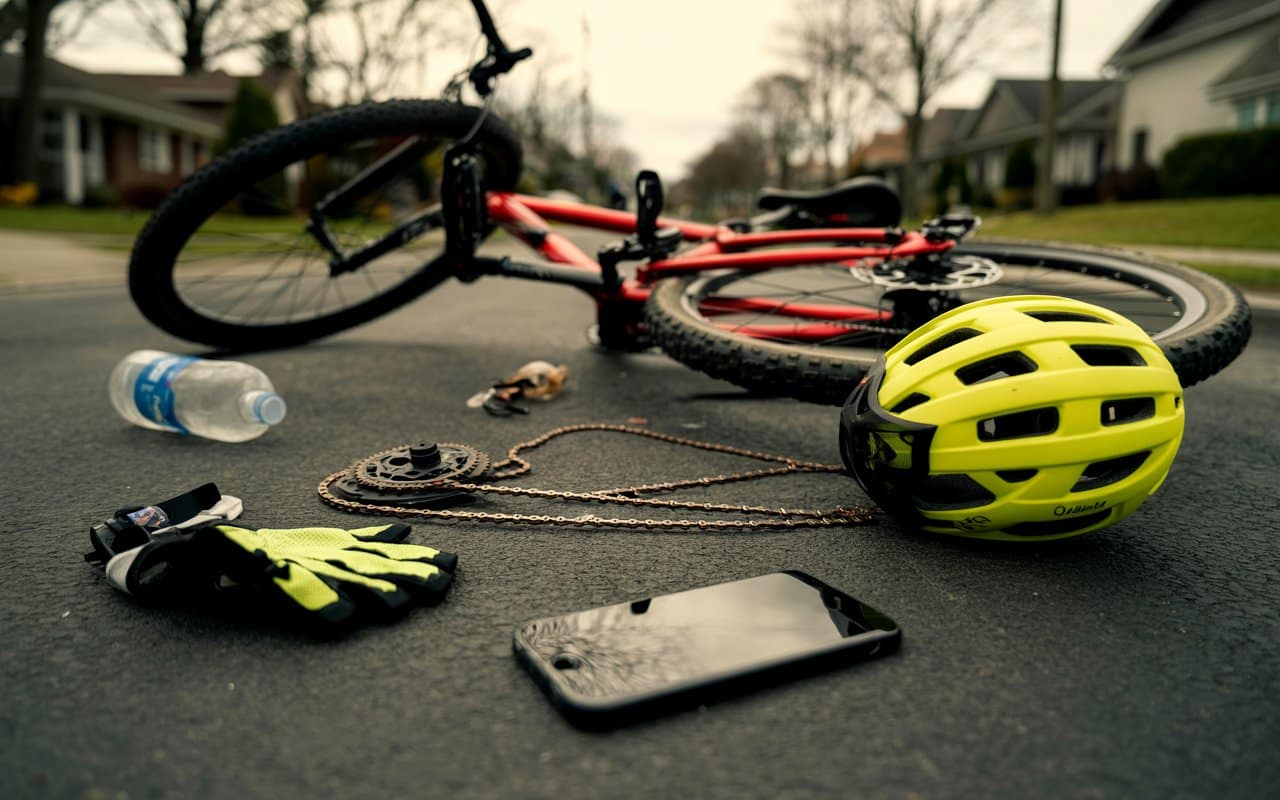


Denver cyclists expect certain risks. Drivers turn without looking, parked cars open doors into bike lanes, road crews leave rough pavement where a smooth shoulder should be. What catches many riders off guard is the pedestrian who steps into the wrong place at the wrong time and sets off a crash that changes everything.
It happens faster than people imagine. A person leaves the curb against the light near LoDo. Someone exits a rideshare and hustles across a protected lane downtown without checking. A runner wearing headphones cuts across the Cherry Creek Trail. A tourist stops in the middle of a multi use path to take a photo. The rider swerves, clips a wheel, hits a curb, and goes down hard. There may be no contact at all, yet the injuries can still be severe.
When a pedestrian contributes to a bicycle crash in Denver, the legal and insurance picture gets more complicated than most people expect. People often assume pedestrians always have the right of way, or that if there was no direct impact there is no claim. Neither assumption is reliable. The real answer depends on where the collision happened, who had the right of way under Colorado law, what each person did in the seconds leading up to the crash, and how well the evidence preserves that sequence.
The practical question is not just who caused the event. It is whether fault can be shown clearly enough to support compensation for medical bills, lost income, bike damage, and the less visible costs, including ongoing pain, concussion symptoms, and the fear that often follows a bad fall.
Why pedestrian caused bicycle crashes are harder than they look
A car crash usually leaves a clear paper trail. There is a driver, a vehicle, insurance information, and often visible damage. Pedestrian caused bicycle crashes can be messier. The pedestrian may leave before police arrive. Witnesses may describe the event differently. Camera footage, if it exists, can disappear quickly. And many riders, especially if they can stand up and talk, focus first on embarrassment rather than evidence.
That is a mistake, though an understandable one.
A cyclist who swerves to avoid a pedestrian may sustain a broken wrist, collarbone fracture, dental injury, or traumatic brain injury without ever making body to body contact. Insurance adjusters sometimes exploit that fact. They suggest the rider simply lost control, was moving too fast, or should have anticipated foot traffic. Those arguments are not always persuasive, but they can gain traction if the facts are not documented early.
Denver adds its own layers. The city has a mix of protected lanes, painted lanes, shared streets, busy entertainment districts, university foot traffic, and heavily used trails. The behavior expected on the Cherry Creek Trail is not identical to what is expected at a downtown intersection. A jury, an insurer, or a claims examiner will usually care about those specifics.
Pedestrians do not always have the right of way
Many people carry a broad, simplified rule in their heads: pedestrians first, always. Real law is narrower.
In Colorado, pedestrians generally have strong protections in crosswalks and at intersections, especially when they are crossing lawfully. But pedestrians also have duties. They cannot suddenly leave a curb into the path of a vehicle when it is impossible for the approaching person to yield safely. They are not free to dart into traffic midblock and assume all consequences fall on others. On trails and shared pathways, everyone has obligations to act reasonably.
That matters because bicycles are treated differently from cars in some contexts, but not so differently that riders lose all rights when a pedestrian behaves carelessly. If a pedestrian walks into a bike lane while staring at a phone, steps into a designated cycling corridor against a signal, or stops unpredictably in a narrow shared path, the pedestrian may bear some or even most of the fault.
The legal issue usually turns on negligence, which is simply a failure to use reasonable care under the circumstances. https://cesarbgvs223.lucialpiazzale.com/bicycle-accident-lawyer-denver-legal-help-for-catastrophic-injuries In plain terms, did the pedestrian act in a way that created an unreasonable risk for a cyclist? If yes, the next question is whether that conduct actually caused the crash and the resulting injuries.
How these crashes happen in real Denver settings
A downtown bike lane is one common setting. Imagine a rider moving through a green light on 15th Street in a marked lane. A convention attendee steps out from between waiting pedestrians, looking toward vehicle traffic but not into the bike lane. The cyclist brakes hard, flips over the bars, and breaks a forearm. The pedestrian insists there was no impact and says the rider “came out of nowhere.” That phrase shows up often, and it usually means the witness was not watching carefully until the very last moment.
Another common setting is a trail crossing. On the South Platte River Trail or Cherry Creek Trail, pedestrians sometimes wander wide, dogs drift on retractable leashes, and groups spread across the full width of the path. Riders also make mistakes there, especially at higher speeds. Fault can be shared. If a cyclist was descending quickly through a crowded area without enough room to stop, a claim against the pedestrian may be reduced. If the pedestrian abruptly cut across the center line without looking, the balance can swing the other way.
The third pattern involves nightlife and event traffic. Near Ball Arena, Coors Field, Union Station, or stretches of RiNo, foot traffic can become dense and erratic. People spill into streets and bike facilities while distracted, intoxicated, or focused on finding a ride. A cyclist injured in that environment still has rights, but the facts need careful sorting. Crowded conditions do not excuse a pedestrian’s careless move, yet they may affect what a reasonable cyclist should have anticipated.
No contact does not mean no claim
One of the most frustrating features of these cases is the “ghost defendant” problem. The pedestrian causes the rider to crash without any physical contact and then says, “I never touched you.” Legally, that does not end the inquiry.
If the pedestrian’s conduct forced the cyclist into a defensive maneuver that a reasonable rider would make, causation may still be established. Courts and insurers have long recognized that negligence can cause harm indirectly. The challenge is proof. Without contact, the defense is likely to argue the cyclist overreacted, panicked, or simply handled the bike poorly.
That is where details matter. Was the rider in a marked lane? How close was the pedestrian? Was the cyclist traveling at a moderate pace for the area? Were there skid marks, helmet damage, torn clothing, or bent components showing a sudden evasive move? Did anyone nearby yell or react before the fall? Did a storefront camera capture the incident from the corner of the frame? Small facts, when assembled well, can make a no contact case much stronger than it first appears.
What to do immediately after the crash
The first hour after a bicycle crash often decides how strong the eventual claim will be. Even experienced cyclists tend to minimize injuries in the moment. Adrenaline masks pain. A rider with a concussion may feel merely shaken. Someone with a fractured scaphoid might think the wrist is only sprained.
If you are able, focus on these essentials:
- Get medical help and accept evaluation, especially if you hit your head, lost consciousness, feel dizzy, or have pain in the wrist, shoulder, ribs, neck, or hip.
- Identify the pedestrian and any witnesses. Names, phone numbers, and a quick photo can matter more than long explanations at the scene.
- Photograph everything, including the location, signals, lane markings, your bicycle, your injuries, and anything that shows the pedestrian’s path or position.
- Call law enforcement if the injuries are significant or the pedestrian disputes what happened.
- Avoid arguing about fault at the scene, and avoid casual statements like “I’m fine” or “It was probably my fault.”
That short checklist is not about being dramatic. It is about preserving truth before it gets diluted by memory, self protection, or simple confusion.
Medical treatment is not just about healing, it is also evidence
Cyclists tend to be stoic. They are used to bruises and road rash. That mindset serves people well on long climbs and bad weather commutes, but it can work against them after a serious crash. Delay treatment for three or four days and the insurer may say the injury could not have been that bad. Skip follow up care and they may argue you made your own condition worse. Return to work too early and the record may understate how much the injury actually limited you.
That does not mean you should overstate anything. It means you should be accurate and consistent. Tell your providers what happened. Explain if you swerved to avoid a pedestrian, went over the bars, hit your head, or landed on one side. Mention symptoms that seem minor, including headaches, visual sensitivity, hand numbness, jaw pain, or trouble sleeping. Those are common after bike crashes and easy to overlook.
Concussions deserve special mention. In bicycle cases, they are often underdiagnosed because the rider remained conscious and walked away. Yet concentration problems, irritability, fatigue, and dizziness can interfere with work long after the abrasions heal. If the crash affected your thinking, balance, or mood, say so early.
Who pays when the pedestrian caused the crash?
This is where the answer becomes case specific.
If the pedestrian has homeowners, renters, or umbrella insurance, there may be liability coverage for negligence committed away from home. Many people do not realize this. A person who carelessly steps into a bike lane is not just personally exposed. Their insurance policy may respond, depending on the circumstances and policy language.
If there is no applicable pedestrian coverage, other options may still exist. A business may share responsibility if its setup created a dangerous overflow condition. An event organizer may be relevant in rare cases. A government entity could become part of the picture if path design, signal timing, or a dangerous obstruction played a meaningful role, though claims involving public entities have special notice requirements and shorter timelines.
Health insurance usually pays medical bills first, at least in part, but that is not the same as full compensation. It does not cover everything, and reimbursement issues often arise later if a settlement is reached.
Colorado does not require general liability insurance for pedestrians, which means collectability matters. You can prove fault and still face a practical problem if the responsible person has no coverage and few assets. That reality does not eliminate the claim, but it affects strategy. An experienced Bicycle Accident Lawyer Denver cyclists trust will usually look not only at liability, but also at where recovery can realistically come from.
Colorado’s comparative negligence rule can cut both ways
Colorado follows a modified comparative negligence system. In practical terms, that means fault can be divided. If the cyclist was partly responsible, recovery may be reduced by that percentage. If the cyclist’s fault reaches 50 percent or more, recovery may be barred.
This is often the battlefield in pedestrian caused bicycle crashes. The pedestrian says the rider was too fast. The rider says the pedestrian entered the lane without looking. Both may be partly right. The real job is to separate reflexive blame from evidence.
Consider a rider moving 18 miles per hour in a clear bike lane on a city street. That speed might be entirely reasonable in one area and too fast in a crowded shared path. Context matters. So does visibility. A pedestrian wearing dark clothing at dusk, stepping suddenly from behind a parked vehicle, presents a different case from a pedestrian already visible in a crosswalk with ample time for the cyclist to slow.
The law does not ask whether the cyclist could have imagined every possible hazard. It asks whether the cyclist acted reasonably under the circumstances. That distinction is important. Reasonable care is the standard, not perfection.
Evidence that often decides these cases
Because these incidents can turn into one person’s word against another’s, evidence deserves real attention. Some proof is obvious, such as photographs and medical records. Other proof is more subtle and often overlooked until it is gone.
The most valuable pieces are often these:
| Evidence | Why it matters | |---|---| | Witness statements | Neutral bystanders can confirm who moved first, whether the pedestrian was distracted, and whether the cyclist had time to react | | Video footage | Storefront, traffic, transit, and residential cameras may capture the approach, even if the actual fall is partly off screen | | Scene photos | Lane markings, crosswalk location, signal position, lighting, and sight lines help recreate what was visible | | Bicycle damage | Bent wheels, scraped hoods, cracked helmets, and bar position can support a sudden evasive maneuver | | Medical timing | Same day or prompt treatment ties the injuries directly to the crash |
Phones and fitness devices can help too. A ride app may show speed, route, and sudden deceleration. That evidence can assist or hurt depending on the facts, so it should be reviewed carefully rather than guessed about.
If the pedestrian left the scene
A hit and run mindset is not limited to motorists. Pedestrians sometimes disappear after causing a crash, especially if there was no contact and they think they have no responsibility. When that happens, all is not necessarily lost, but speed matters.
Nearby businesses may have cameras. RTD vehicles or city traffic cameras may have partial views. Witnesses may have taken photos. Delivery drivers often have dashcams. A lawyer who handles bike cases in Denver knows where those leads commonly come from and how quickly footage can be overwritten. Some systems keep recordings only days, not weeks.
If the pedestrian is never identified, the options narrow, but the facts should still be evaluated. There may be another responsible party or another source of insurance depending on the setting. Riders sometimes assume an unidentified pedestrian means the case is over. That is not always true.
The role of police reports, and their limits
A police report can help, especially when it documents witness names, basic scene conditions, and the pedestrian’s identity. But riders should not expect the report to settle the case. Officers often arrive after the critical moment has passed. They may hear conflicting stories from injured, upset, or confused people. Some reports in bike cases are excellent. Others are thin and incomplete.
If the report contains mistakes, those mistakes should be addressed carefully and with documentation, not anger. A bad line in a report is not fatal if the broader evidence is strong. I have seen cases where initial reports suggested rider error, only for video and witness accounts to later show the pedestrian created the hazard.
Damages are broader than the emergency room bill
Bicycle crashes can generate losses that spread well beyond the first urgent care visit. A rider who fractures a collarbone may miss weeks of work, cancel travel, need physical therapy, replace a carbon wheelset, and lose the ability to commute without rideshare costs piling up. A self employed person may have a harder time proving lost income, but that loss is still real.
Pain matters too, though it is harder to quantify. So does the loss of normal function. For avid cyclists, not being able to ride for three months is not a trivial inconvenience. It can affect fitness, stress management, social life, and daily transportation. Juries understand this when it is explained concretely rather than exaggerated.
A solid claim usually accounts for past treatment, future treatment that is reasonably likely, lost wages, diminished earning impact where supported, property damage, and noneconomic harm. The stronger the records and the more specific the story, the more credible the demand.
When it makes sense to call a lawyer
Not every bike crash requires legal representation. A minor low speed fall with little treatment and no dispute about property damage may be manageable directly. But cases involving pedestrians become more lawyer intensive sooner than people expect because liability is often contested and coverage questions are less straightforward.
You should strongly consider speaking with counsel if any of the following are true:
- You suffered more than minor injuries, especially a head injury, fracture, dental damage, or surgery level trauma.
- The pedestrian denies fault, left the scene, or gave inconsistent information.
- There may be video footage or witness evidence that needs to be preserved quickly.
- Insurance coverage is unclear, limited, or being denied.
- You are being blamed for speed, inattention, or failure to yield and the facts are more nuanced than the insurer admits.
A Bicycle Accident Lawyer Denver riders hire for serious cases should understand local street design, urban riding patterns, trail etiquette, comparative fault, and the practical ways insurers challenge cyclist claims. That local familiarity matters. A lawyer who regularly handles car crashes but rarely handles bike cases may miss details that are obvious to someone who works in this space.
Timing matters more than most people think
Colorado deadlines can affect personal injury claims, and cases involving government entities can trigger special notice rules that arrive much earlier than the standard statute of limitations. Even when no public entity is involved, waiting makes proof weaker. Witnesses forget. Video disappears. Bikes get repaired. Bruises fade. People move.
Early legal advice does not mean rushing into a lawsuit. It often means preserving options, identifying coverage, guiding medical documentation, and preventing avoidable mistakes. Many claims resolve without trial, but they resolve best when they were built carefully from the start.
The bigger point for Denver cyclists
A pedestrian caused bicycle crash sits at the intersection of law, urban design, and human behavior. Denver encourages cycling, and that is a good thing. More riders, more trails, and more multimodal streets are signs of a healthier city. But those same conditions create more moments where expectations collide. A rider expects a clear lane. A pedestrian assumes space is shared. One split second of inattention can leave a cyclist with months of pain and a complicated claim.
If a pedestrian caused your bike crash, do not dismiss it because there was no car involved or because someone says pedestrians always come first. The facts may tell a different story. If you were riding responsibly and someone on foot moved carelessly into your path, the law may give you a remedy. The key is treating the incident seriously from the beginning, documenting what happened, getting proper medical care, and evaluating the case before evidence slips away.
For injured cyclists in Denver, that approach often makes the difference between a frustrating dead end and a claim that reflects what the crash actually cost.