When to Call a Bicycle Accident Lawyer After an Injury
@erickmvfh064
October 19, 2026 · 16 min read
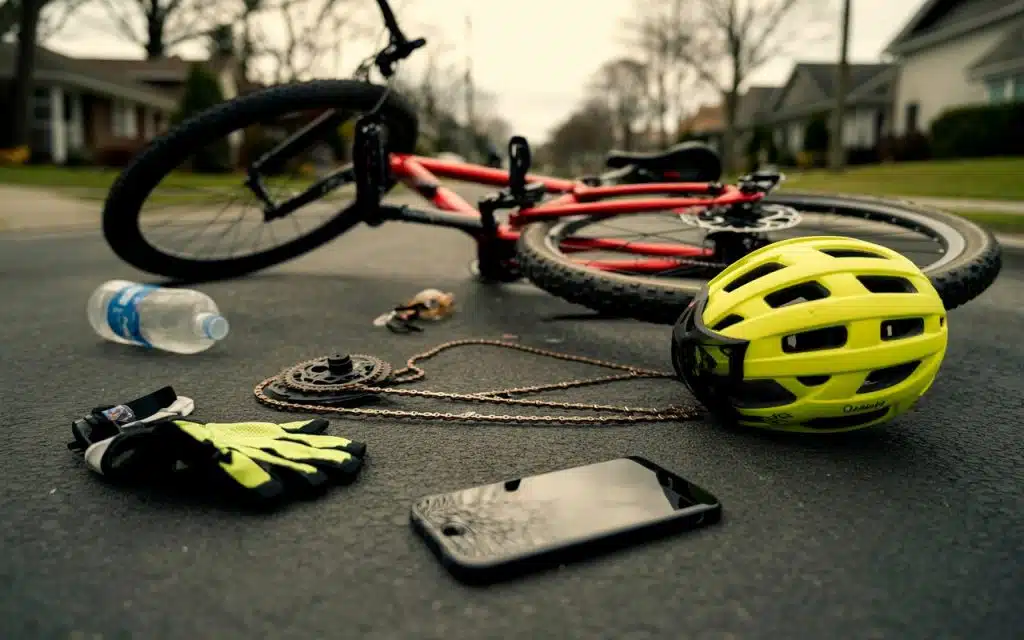

A bicycle crash can turn an ordinary ride into a medical, financial, and legal problem in a matter of seconds. One moment you are watching traffic, scanning for potholes, and timing a green light. The next, you are on the pavement, your bike is twisted, and someone is asking whether you can stand up. What happens in the first hour often shapes what happens over the next year.
The hardest part for many injured riders is that the seriousness of the situation is not always obvious at first. Adrenaline masks pain. Drivers may apologize at the scene, then change their story later. Insurance companies sound helpful on day one and combative by week three. Meanwhile, medical bills arrive, workdays are lost, and a once simple commute becomes a source of anxiety.
That is why timing matters. Calling a Bicycle Accident Lawyer does not mean you are filing a lawsuit the same day or trying to escalate every crash into a courtroom fight. In many cases, it means protecting your ability to recover fair compensation before evidence disappears and before an insurer sets the narrative.
The first question is not “Do I want to sue?”
Most injured cyclists ask the wrong question at the start. They ask whether the case is serious enough for a lawyer or whether hiring one seems too aggressive. A better question is this: could this injury create costs, disputes, or long-term consequences that I cannot safely handle on my own?
If the answer may be yes, it is wise to speak with counsel early.
A consultation is not a declaration of war. It is information gathering. An experienced Bicycle Accident Lawyer can tell you whether the driver’s insurance is likely enough, whether comparative fault could become an issue, whether your health insurer or medical providers may seek reimbursement, and whether there are time-sensitive steps you should not miss. Often, the value of that first call is not dramatic. It is practical. You learn what to document, what not to say to adjusters, and how to preserve your options.
That matters because bicycle claims are rarely as straightforward as they look. Drivers often say the cyclist “came out of nowhere,” even when the rider was visible and had the right of way. Road defects can implicate a city, county, or contractor, each with https://alexisivhf403.trexgame.net/how-a-bicycle-accident-lawyer-builds-value-in-a-serious-injury-case different notice requirements. Dooring crashes, right-hook collisions, and intersection turns all raise fact questions that benefit from early investigation.
Call quickly if any injury goes beyond minor soreness
If you walked away with scrapes, replaced a torn jersey, and felt normal after a day or two, you may never need legal help. But once an injury requires more than basic first aid, the calculation changes.
Broken bones, head injuries, facial injuries, dental damage, shoulder tears, knee trauma, nerve symptoms, and back pain have a way of becoming more expensive than people expect. A wrist fracture may mean surgery, hardware, months of occupational therapy, and time away from work. A concussion can disrupt concentration, sleep, and mood long after the bruises fade. A “simple” knee injury may limit your commute, childcare, recreation, and job duties for months.
In those situations, early legal advice helps for a simple reason. The case value depends heavily on records, timelines, and proof. If there is a gap in treatment, if the crash report contains errors, or if a driver’s insurer obtains a casual recorded statement before you understand your injuries, your claim can lose ground before it really begins.
A good rule from practice is this: if the injury causes you to miss work, seek imaging, attend follow-up appointments, use a brace or sling, take prescription medication, or hear a doctor mention therapy, surgery, or concussion protocol, it is time to at least consult a lawyer.
Certain crash scenarios call for immediate legal help
Some bicycle crashes present legal complexity from the start. In those cases, speed matters because evidence can vanish within days. Surveillance footage gets overwritten. Vehicle data may be lost. Witnesses stop answering unknown numbers. Road conditions get repaired before anyone documents them.
You should call promptly if the crash involves any of these circumstances:
- A motor vehicle struck you, especially at an intersection, during a turn, or while passing.
- You suffered a head injury, fracture, significant road rash, or any injury needing emergency care.
- The driver fled, was uninsured, or disputed fault at the scene.
- A defective road, bike lane obstruction, construction zone, or open car door contributed to the crash.
- The insurer asks for a recorded statement or offers a quick settlement.
Those are not edge cases. They are common patterns in bicycle injury claims, and each one carries traps. A hit-and-run may require prompt uninsured motorist notice through your own auto policy, even if you were riding, not driving. A government claim involving a dangerous roadway can carry a much shorter deadline than an ordinary injury case. A low early settlement can look attractive before you know whether your shoulder pain will resolve in two weeks or require an MRI and surgery consult.
What a lawyer can do in the first few weeks that matters later
People sometimes delay calling because they assume nothing important happens until they finish treatment. In reality, the opening weeks are often the most consequential part of the claim.
A Bicycle Accident Lawyer who gets involved early can identify every possible source of recovery. That may include the at-fault driver’s liability coverage, your own uninsured or underinsured motorist benefits, med-pay coverage, homeowners or umbrella policies, and in unusual cases a commercial policy tied to a rideshare, delivery vehicle, or employer. Without a careful review, injured cyclists often assume there is only one insurance policy in play.
Early involvement also helps shape the evidence file. Your lawyer may secure the police report, interview witnesses while memories are fresh, send preservation letters for business or traffic camera footage, photograph the scene, inspect the bicycle, and gather medical records in a way that tells a coherent story. That work is especially useful when the defense later argues that the cyclist was outside the lane, failed to signal, wore dark clothing, or was somehow hard to see.
The bike itself can be evidence. Damage patterns on the frame, fork, wheel, helmet, and clothing often support how the collision happened. Yet many riders understandably want to replace or repair the bike right away. Before doing that, it is smart to photograph everything in detail and ask whether the bike should be preserved for inspection.
Waiting can cost more than people realize
There is no prize for handling a serious injury claim alone for six months and then hiring a lawyer after mistakes have piled up. Some damage can be repaired. Some cannot.
A common example is the recorded statement. Adjusters often call quickly, sounding courteous and efficient. They ask for your “side of the story” so they can move the claim along. What they are really doing is locking you into an early version of events before you know the full medical picture. A rider with a concussion may say, honestly, “I’m okay, just sore,” because that is what it feels like on day one. Three days later the headaches, nausea, and memory issues begin. The defense then points back to the first statement.
Another problem is the treatment gap. People skip follow-up care for all kinds of understandable reasons. They hope the pain will pass. They cannot miss more work. They worry about cost. But from a claim standpoint, long gaps create ammunition for the argument that you were not really hurt or that something else caused your ongoing symptoms.
Delay also creates practical proof problems. The torn jacket disappears. The helmet gets thrown out. The witness who stopped to help never appears in the report. The coffee shop camera that captured the intersection gets erased after ten days. I have seen modest cases become difficult cases for reasons that had nothing to do with the truth and everything to do with timing.
When you may be able to wait, briefly
Not every bicycle accident requires immediate representation. If you suffered a minor bruise, no vehicle was involved, there is no dispute over what happened, and you feel substantially better within a few days, you may choose to monitor the situation before calling anyone.
There are also cases where a short pause is reasonable because the medical picture is still developing and no one is pressing you for statements. Some people prefer to complete an urgent care visit, get imaging results, and understand whether the injury is a sprain or a fracture before deciding if they want counsel. That is not reckless. It is normal.
The key is not to let a short pause become a harmful delay. If pain lingers, bills mount, work is affected, or the insurer starts probing for details, the balance shifts quickly toward getting advice. You do not need certainty that the case is “big enough.” You need a realistic sense that the matter may become more complicated than a simple property damage claim.
Bicycle injuries are often undervalued at first
There is a recurring pattern in these cases. The property damage looks small compared with a car crash, so insurers and sometimes even medical providers underestimate the force involved. But the rider’s body absorbs what the car does not.
A cyclist thrown onto asphalt can suffer severe soft tissue trauma, hand and wrist fractures from bracing the fall, collarbone fractures from impact, and lingering shoulder dysfunction even without a dramatic looking scene. Road rash is sometimes treated as superficial, yet deep abrasions can require extensive wound care and leave permanent scarring. A helmet that did its job does not mean the rider escaped a brain injury. It may simply mean the outcome was less catastrophic than it could have been.
That is one reason early settlements can be risky. The opening offer often arrives before the injury has declared itself. It may cover the emergency visit and the bike repair while ignoring the physical therapy, specialist care, future imaging, and lost earning capacity that surface later. Once a release is signed, reopening the claim is usually not an option.
Fault is not always obvious, even when it feels obvious
Cyclists are often surprised by how quickly fault becomes contested. A driver may admit, “I didn’t see you,” at the scene and still deny liability later. That phrase alone does not establish the legal result. It may suggest negligence, but the insurer will still look for ways to reduce or deny payment.
The most common defense themes are familiar. The cyclist was outside the bike lane. The cyclist entered the intersection too fast. The cyclist was not visible. The cyclist should have anticipated the car turning. In a dooring case, the defense may argue the rider was too close to parked cars. In a road defect case, a municipality may claim the condition was open and obvious or that it lacked prior notice.
This is where local law matters. Rules about lane usage, comparative negligence, helmet evidence, and claims against public entities vary by state and sometimes by city. An experienced Bicycle Accident Lawyer does more than recite general injury law. They understand how bicycle-specific facts get framed, and they know which details carry real weight in settlement negotiations.
The insurance issue most cyclists do not expect
Many riders do not realize that their own auto insurance may matter even though they were on a bike. Depending on the policy and the state, uninsured or underinsured motorist coverage can apply when a driver who hit you lacks sufficient insurance. Medical payments coverage may also help with treatment expenses.
That can be a lifeline in serious injury cases, especially when the at-fault driver carries low limits. But those claims have notice requirements, policy language, and procedural rules that deserve careful attention. People often assume their own insurer is fully on their side because they have paid premiums for years. Sometimes that is true in spirit, not always in practice. Once the claim becomes substantial, even your own carrier may scrutinize fault, medical causation, and damages.
A lawyer can identify those benefits early and prevent avoidable coverage disputes. That alone can change the outcome of a case.
What to do before and after the call
If you are considering contacting counsel, a little preparation helps. You do not need a polished timeline or a perfect file. But gathering the basics makes the conversation more productive.
Here is the short version of what helps most:
- Save photos of the scene, your injuries, the bicycle, the helmet, and the vehicle if one was involved.
- Keep every medical document, discharge summary, bill, and appointment note you receive.
- Write down what you remember about the crash while it is still fresh.
- Avoid posting details or photos about the incident on social media.
- Do not accept a settlement or give a recorded statement before getting advice.
After the call, pay attention to whether the lawyer asks focused questions. A strong consultation usually covers liability, injury progression, insurance coverage, treatment status, missed work, prior injuries if any, and whether any deadline might be unusually short. It should feel practical rather than theatrical. You want clear judgment, not bravado.
A quick settlement is not always a good outcome
There is a natural desire to “put it behind you.” That instinct is understandable. You want the bike repaired, the bills handled, and the phone calls to stop. But fast resolution is only a good result if the number actually reflects the harm.
I once saw a relatively healthy rider accept what seemed like a decent check within two weeks of a collision. He had a badly bruised shoulder, a cracked helmet, and no obvious fracture on the first X-ray. A month later, he learned he had a rotator cuff tear that required specialist care and a prolonged work restriction. The claim was gone by then. The money had solved the immediate stress and created a much larger one.
That story repeats in different forms. The ankle sprain becomes a ligament injury. The facial impact leads to expensive dental work. The back pain that seemed manageable makes sitting at a desk unbearable by the second week. The legal issue is not whether every injury turns serious. It is that some do, and you often cannot tell on day one.
How long is too long to wait?
The legal answer depends on your state’s statute of limitations and, in cases involving a city or other public entity, any special notice rules. Those time limits vary. Some are measured in years, some in months. Missing them can end the claim regardless of merit.
The practical answer is much shorter. If a car was involved, if medical care was more than minimal, or if fault might be disputed, waiting more than a few days or a couple of weeks is usually not ideal. That does not mean the case becomes worthless if you call later. Many valid claims begin months after the crash. It does mean that earlier is better whenever there is real injury or legal complexity.
A useful middle-ground approach is this: if you are still in pain, still treating, still missing work, still hearing from adjusters, or still unsure who will pay for what, you have enough reason to make the call now.
Choosing the right lawyer matters as much as choosing the timing
Not every personal injury attorney understands bicycle cases well. That distinction matters. Bicycle crashes involve a mix of traffic law, visibility arguments, roadway design issues, and injury patterns that differ from standard auto claims. Riders are also more likely to face subtle bias, the unspoken assumption that cycling is unusually risky or that the rider somehow invited the harm.
A lawyer familiar with these cases will know how to present a cyclist as a road user with rights, not as an afterthought in a car-centered narrative. They will ask about lane markings, sight lines, signal phases, door zones, helmet damage, bike computer data, and whether the route had a history of similar incidents. Those details are often the difference between a mediocre claim presentation and a compelling one.
Fee structure is also part of the conversation. Most injury lawyers work on contingency, meaning they get paid from the recovery rather than upfront. Even so, ask direct questions about costs, litigation expenses, communication, and who will actually handle the file. Serious clients deserve specific answers.
The best time to call is usually earlier than you think
The right moment to contact a Bicycle Accident Lawyer is not after every bruise, but it is also not only after surgery or a lawsuit threat. The sweet spot is when there is enough reason to believe the crash may have meaningful financial, medical, or evidentiary consequences.
For many cyclists, that moment arrives the same day as the injury. For others, it comes after the ER visit, after a call from the insurance adjuster, or after the first work shift they cannot complete because their body is not cooperating. The common thread is uncertainty with real stakes.
If the crash involved a vehicle, significant injury, disputed fault, missing insurance, or a dangerous road condition, calling early is usually the smart move. It protects evidence, prevents avoidable mistakes, and gives you a clearer picture of what lies ahead. That is not overreacting. It is what careful people do when the cost of waiting may land squarely on their own shoulders.
CGH Injury Lawyers
2701 Lawrence St Suite 201
Denver, CO 80205, United States
Phone: +1 720-669-8062
FAQ About Bicycle Accident Lawyer
Who is at fault if a car hits a bicycle?
Fault depends on the evidence and the traffic rules that applied to the collision. A driver, cyclist, or another party may share responsibility. Police reports, witness accounts, video, and the physical evidence can help establish what happened. A collision with a car does not automatically determine legal fault.
Can you sue someone for hitting you on a bike?
You may have a claim when another person's negligent conduct causes your injuries and losses. The available evidence, applicable deadlines, insurance coverage, and any shared fault affect your options. A lawyer can review the circumstances and explain whether an insurance claim or lawsuit is appropriate; compensation is not guaranteed.
What percentage does an injury lawyer usually take?
There is no single percentage that applies to every injury case. Many lawyers use a contingency fee based on a share of the recovery, with the terms stated in a written agreement. Ask how the percentage is calculated, whether it changes during litigation, and how case expenses are handled before signing.